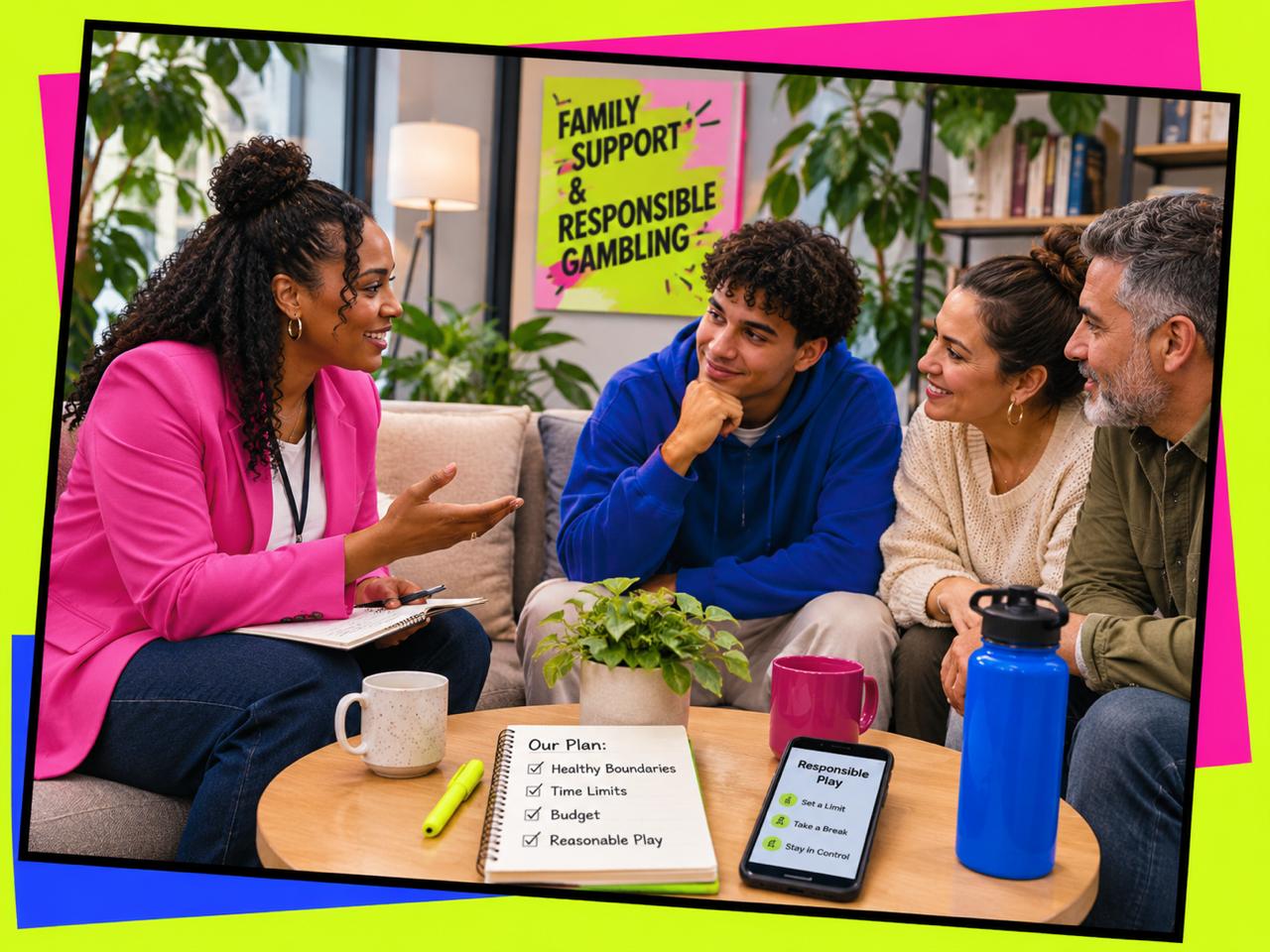
Support for families
When gambling affects someone close to you, clear communication and practical boundaries matter. Listen without blame, avoid covering gambling debts and seek professional support together when possible.
Support for personal growth, healthier choices and families affected by gambling harm. Learn how to recognise warning signs, rebuild everyday routines and find specialist help when gambling becomes difficult to control.
Build self-awareness, manage stress and identify triggers behind impulsive decisions. Coaching can support everyday wellbeing but does not replace specialist gambling treatment.

Practical, compassionate guidance for adults and families navigating gambling-related stress, money worries and difficult conversations.

Supportive conversations about boundaries, communication and habits that can protect personal wellbeing and relationships.

Talks on resilience, financial boundaries, digital habits and the importance of seeking help early when gambling causes harm.
Recovery and lasting change involve emotional wellbeing, relationships, daily routines and practical support. Understanding triggers and learning to respond differently can be part of a wider recovery plan.
Recognise how gambling is affecting your life.
Notice triggers, patterns and sources of support.
Set boundaries and seek qualified treatment when needed.
Build sustainable routines and stay connected.
Problem gambling can affect finances, sleep, relationships and a person's sense of control. A supportive conversation can be the first step toward change. Families and adults affected by gambling deserve guidance without judgment, shame or pressure.
When gambling affects someone close to you, clear communication and practical boundaries matter. Listen without blame, avoid covering gambling debts and seek professional support together when possible.
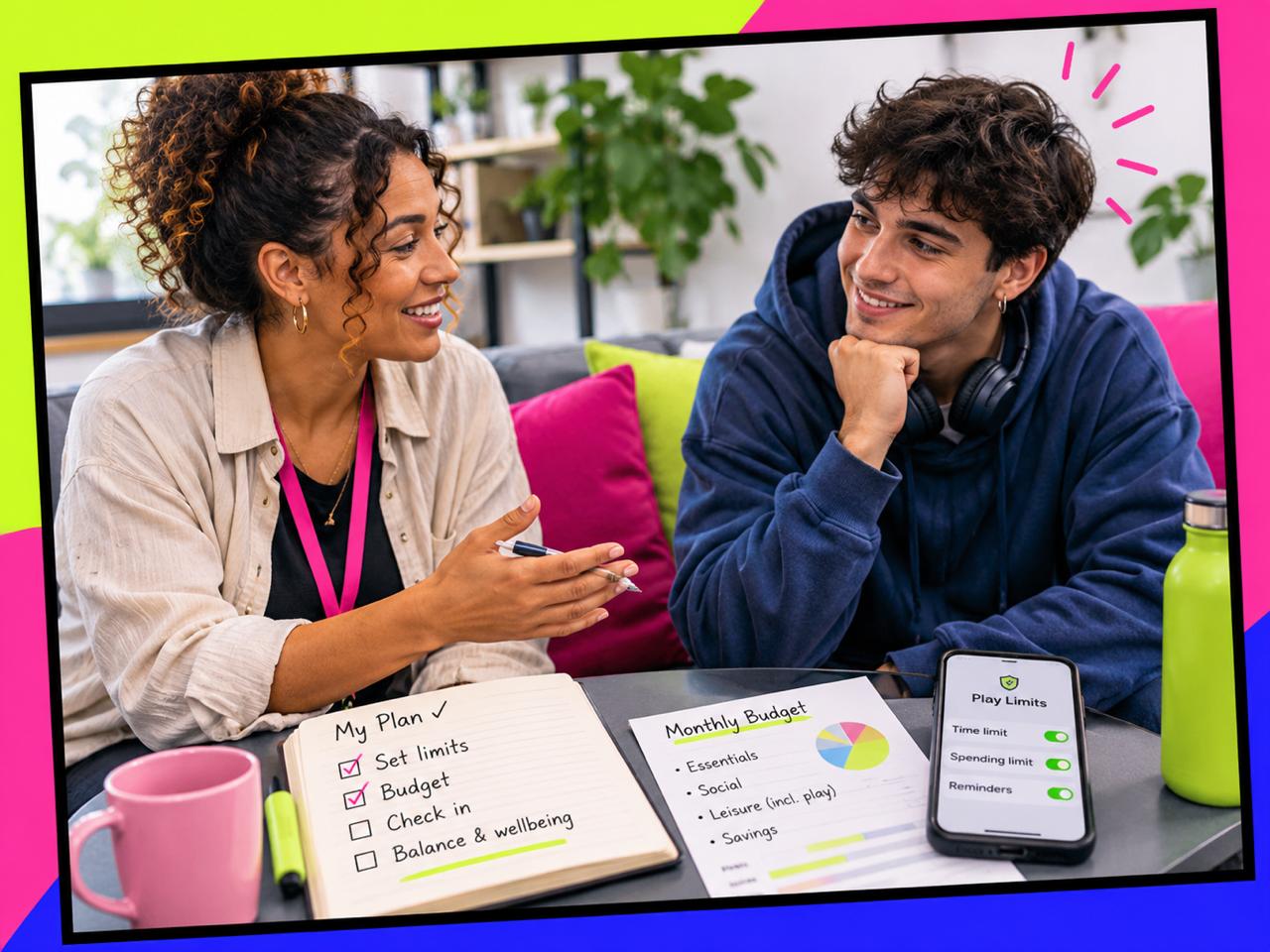
Recognising gambling triggers, limiting access to gambling sites and talking with a trained specialist can help people move toward recovery. If gambling is causing harm, stopping and seeking help is safer than trying to play more carefully.
For adults who still choose to gamble, responsible play includes spending only what they can afford to lose, never chasing losses and treating gambling as entertainment rather than income. These measures are not a treatment for gambling disorder. Read our responsible gambling and support guide .
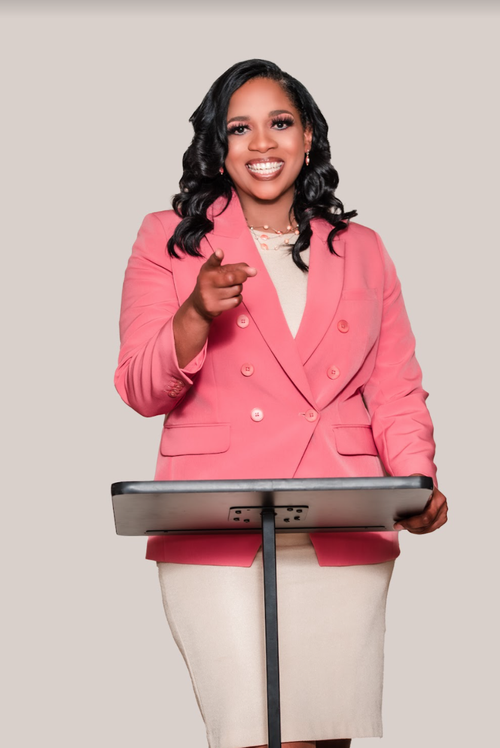
Dr. Elizabeth Jennings is an occupational therapist with a doctorate and experience in stress management and mindfulness research. Her background in wellbeing offers a perspective on habits, resilience and personal growth.
The aim of this page is to encourage informed choices and compassionate family support when gambling causes harm. Gambling disorder requires specialist assessment and treatment; coaching should be considered complementary support, not a substitute.
Recovery from gambling addiction is possible, and people often benefit from a combination of professional treatment, supportive relationships and changes to daily routines. There is no single quick fix, but there are useful steps to begin with.
Reach out to someone you trust. Describe what is happening, including debts, urges or the impact on family life. You do not have to handle it alone.
Consider self-exclusion, banking gambling blocks, removing gambling apps and asking a trusted person to help protect essential finances.
Contact a licensed mental-health professional or gambling-support service for an assessment and an appropriate recovery plan. Family members can seek support too.
Coaching and mentoring may complement recovery through goal-setting and emotional support, but they do not replace diagnosis or clinical treatment for gambling disorder. See more guidance on our dedicated support page.
To ask about coaching or mentoring, use the contact details below. For gambling addiction treatment, contact a qualified gambling-support service or licensed healthcare professional.
Austin · Belton · Cedar Park · Copperas Cove · Fort Hood · Harker Heights · Killeen · Temple